A solar battery only keeps your power on in a blackout if your installer designed and wired the system for backup. Many batteries sold in Adelaide go dark along with the grid, because solar battery backup depends on the inverter, the switching hardware and the circuits connected to it, not just on the battery sitting on the wall.
That catches plenty of homeowners out. This guide explains why solar switches off in an outage, how a backup-ready system differs from a standard one, and what to ask before you buy. If you are comparing options now, our solar battery systems page covers how we design and install storage for Adelaide homes.
Why Does Solar Switch Off in a Blackout?
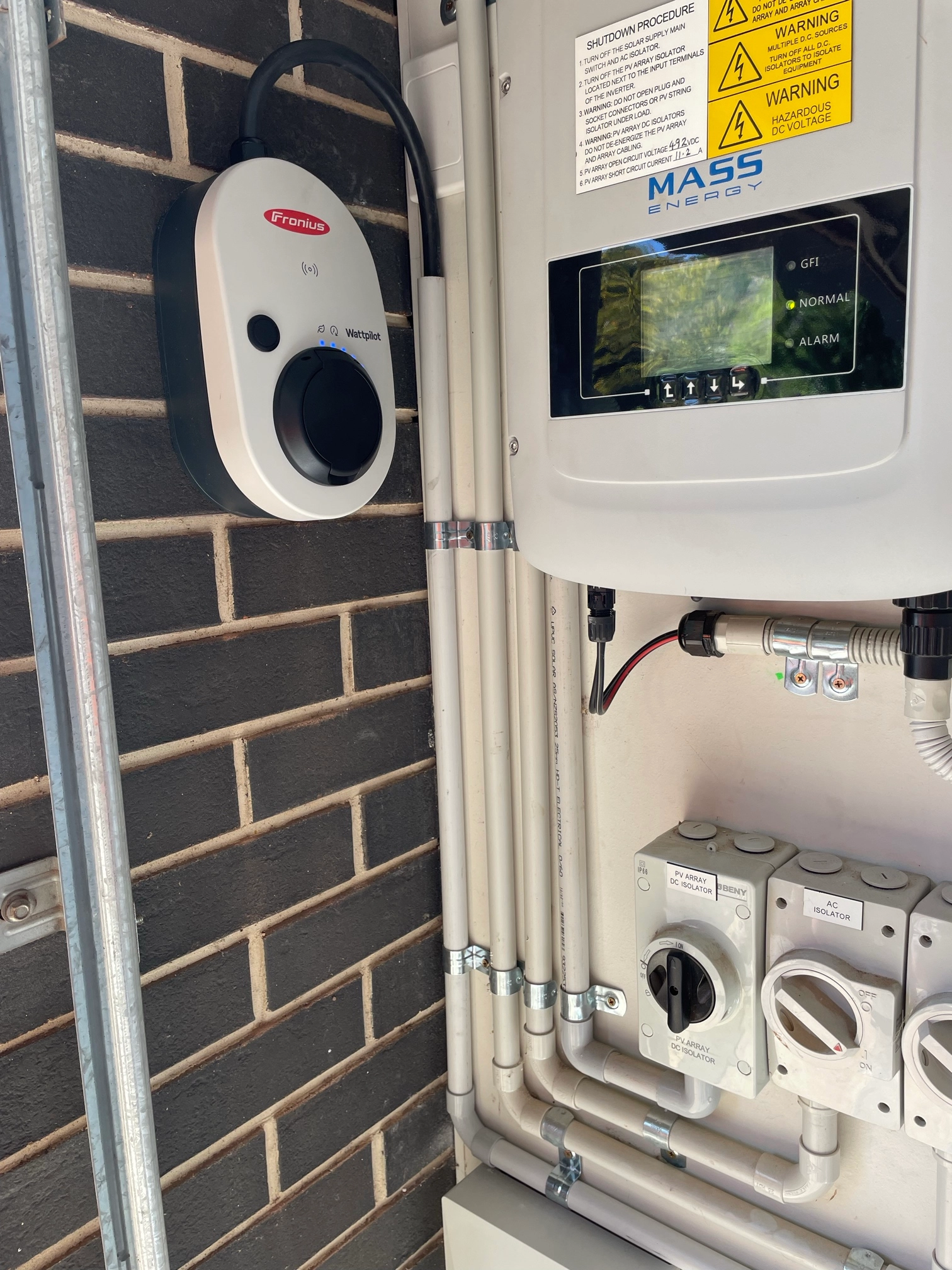
Grid-connected solar inverters must shut down when the grid fails. Australian Standard AS/NZS 4777 requires this “anti-islanding” protection so your panels never push power into lines that line workers believe are dead.
That means a standard solar system produces nothing during an outage, even on a cloudless January afternoon. The panels still generate, but the inverter refuses to pass that energy anywhere. The federal government’s Energy.gov.au battery guide makes the same point: very few solar-only systems provide power in a blackout, and a battery only does so when the installer sets it up for backup.
Do Solar Batteries Work in a Blackout?
Some do, some don’t. The difference comes down to whether the system can safely separate your home from the grid and keep running on its own.
Batteries Without Backup
A battery set up purely for bill savings stores daytime solar and releases it in the evening. When the grid drops out, it shuts down along with the inverter. Your home goes dark like every other house in the street, even with a fully charged battery.
Batteries With a Backup Circuit
A backup-ready system adds switching hardware, either built into a hybrid inverter or as a separate gateway, that isolates your home from the grid the moment it fails. The battery then powers a dedicated backup circuit on its own. The handover usually takes a fraction of a second, so lights may flicker and some routers or computers can restart.
Can Solar Recharge the Battery During an Outage?
With the right inverter, yes. An islanding-capable system lets the panels keep running behind the isolation switch and top the battery up through the day. That turns a battery that might last one evening into backup power for home use across a longer outage, provided the household keeps its usage modest. Cloudy weather slows the recharge, so nobody can guarantee multi-day cover.
Essential Circuits or Whole Home Battery Backup?
Backup scope is a wiring decision made before installation. It decides what stays on, how long the battery lasts and how much switchboard work the job needs.
Essential Circuits Backup
Your electrician moves selected loads onto a protected sub-board. Most households nominate:
- the fridge and freezer
- some lights
- a handful of power points
- the internet modem and router
- a medical device or garage door motor, where needed
Fewer loads means the battery lasts considerably longer, and the battery’s output limit rarely becomes a problem.
Whole Home Battery Backup
The entire switchboard runs from the battery during an outage. It feels more like normal life, though the battery can only supply so much power at once. Running an oven, a kettle and ducted air conditioning together can exceed that limit and trip the backup supply, so whole home backup suits systems with higher continuous output, or households willing to manage their load.
Our Tesla Powerwall installation guide shows how this choice plays out on one popular unit.
Not sure which backup suits you?
We can look at your switchboard and how your household uses power, then recommend essential circuits or whole home backup before you buy.
Why Blackout Protection Matters in South Australia
South Australians have good reason to take outages seriously. On 28 September 2016, storms and tornadoes damaged major transmission lines and the whole state lost supply, an event the Australian Energy Market Operator (AEMO) later investigated in detail.
Statewide events are rare. Local outages are not. In SA, the common triggers include:
- summer storms and strong winds bringing down trees and lines
- heatwaves, when demand peaks and network equipment runs hot
- planned maintenance, which SA Power Networks posts on its outage map
Homes in the Adelaide Hills and on the Fleurieu Peninsula often sit at the end of long overhead feeders through bushland, which tend to see more storm and tree damage than underground suburban networks. For those properties, solar blackout protection often matters as much as bill savings. Where outages are frequent enough to drive the whole decision, an off-grid solar system may be worth comparing too.
What Will a Home Backup Battery Run, and for How Long?
No honest installer can give one runtime figure for every home. A home backup battery’s runtime depends on several factors working together.
Usable Capacity and Charge Level
Usable capacity sets the size of the tank. The charge level when the outage hits matters just as much. A battery at 20% after a long evening has far less to give than one that was full at sunset.
Continuous and Peak Output
Output decides how many appliances can run at once. Peak output covers the surge when a motor starts, such as a pool pump, bore pump or air conditioner compressor. If the surge exceeds the battery’s limit, the backup supply trips.
What You Choose to Run
Heating, cooling, ovens and hot water drain a battery fast. A fridge, lights and the internet use very little. Swapping a few habits during an outage can stretch the same battery a long way.
Daylight and Recharge
An outage at dusk is the toughest case. One that starts mid-morning on an islanding system may barely touch the stored charge. Sizing for your own usage is covered in our guide to what size solar battery you need.
Questions to Ask Before You Buy a Battery for Backup
Your installer has to design backup in from the start. Retrofitting it later usually means new hardware and switchboard changes. Put these questions to any installer, in writing:
- Does this battery and inverter support backup, and does the quote include it?
- Will the panels keep charging the battery during an outage?
- Which circuits will be backed up, and can I choose them?
- What is the continuous and peak output in backup mode?
- How quickly does the system switch over, and what might restart?
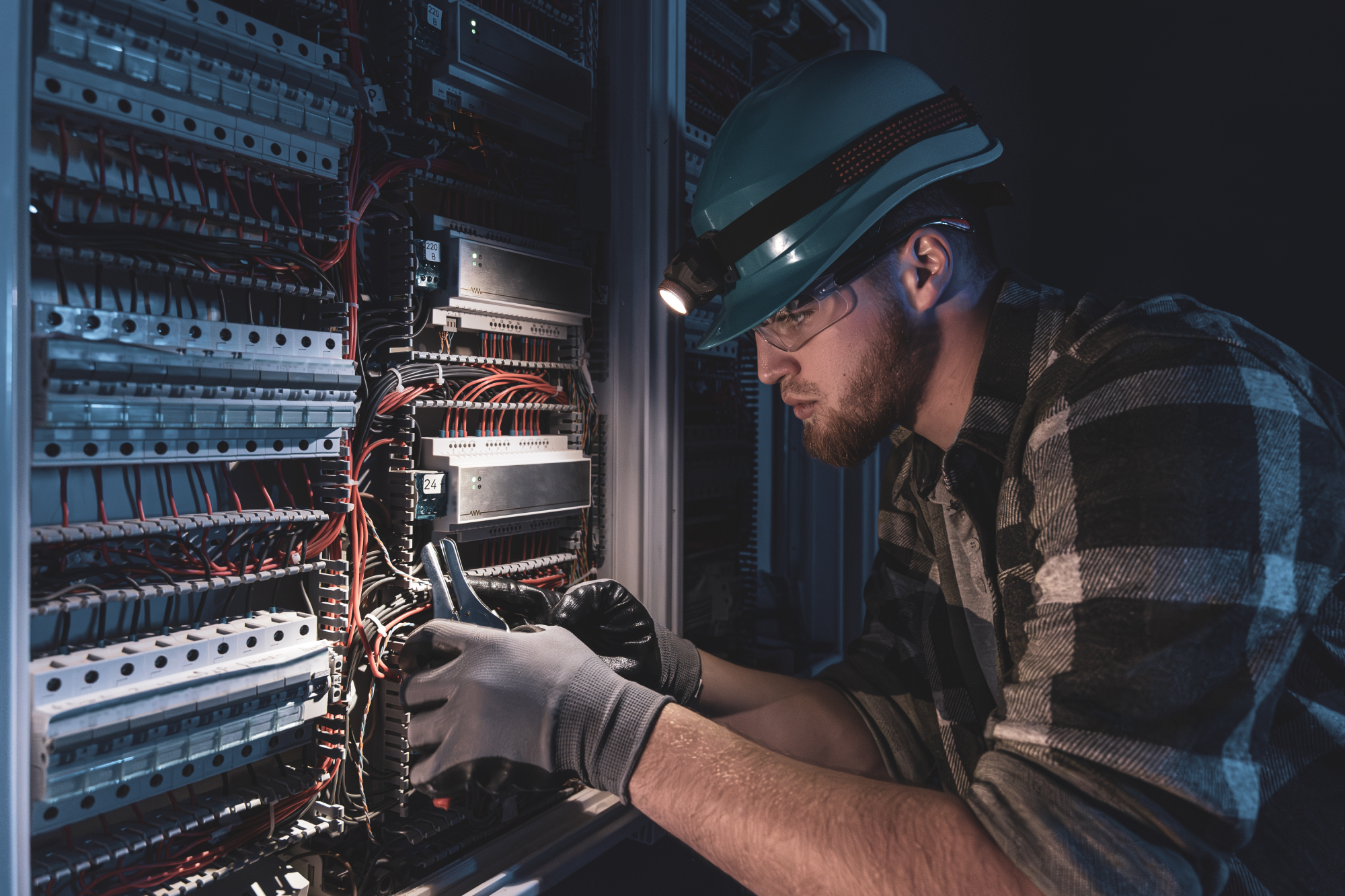
- Does my switchboard need work to fit a backup sub-board? A switchboard upgrade is common on older Adelaide homes.
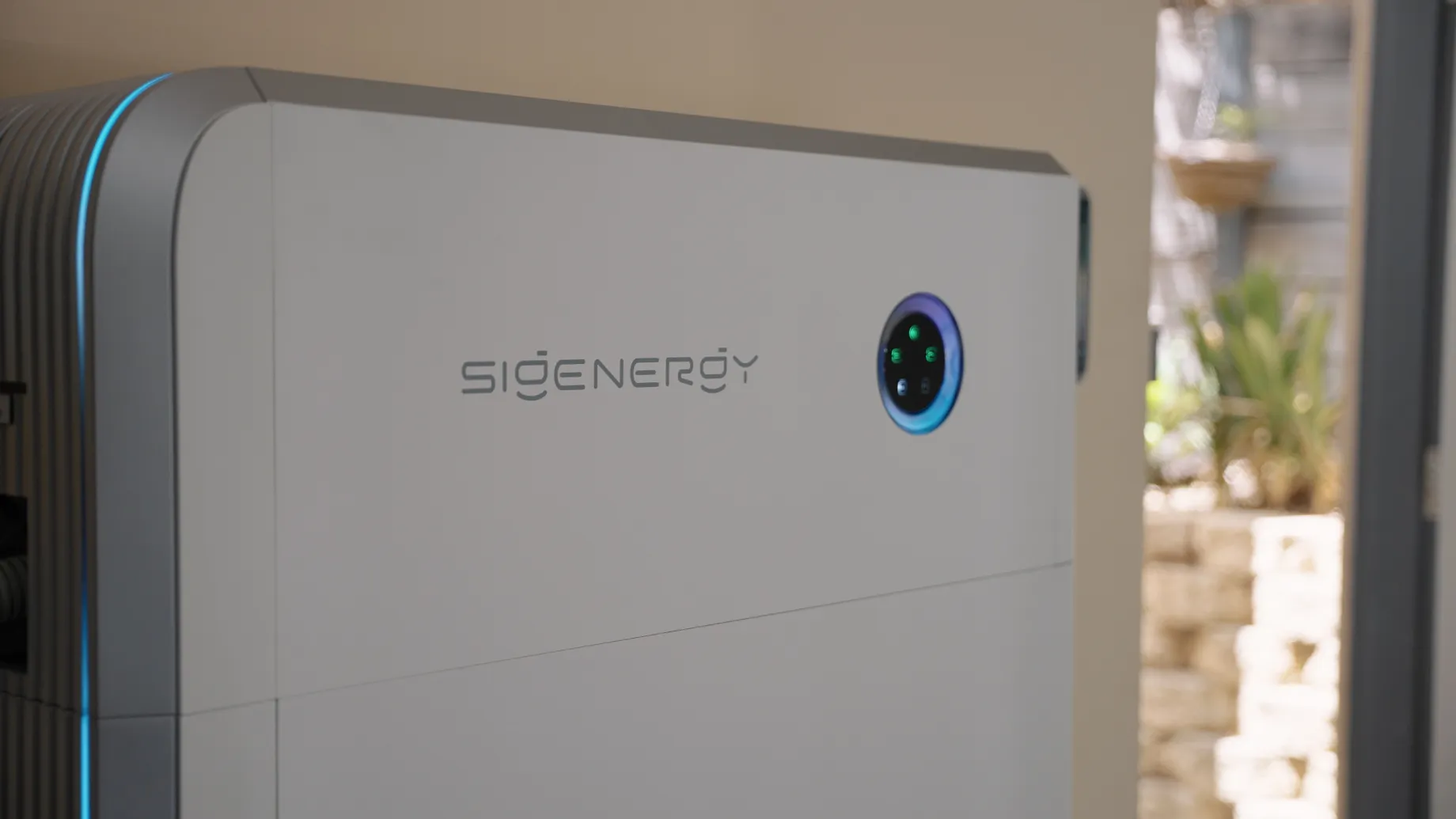
Already have panels? Our guide to adding a battery to existing solar explains how the existing inverter affects backup options. If you are weighing value as well as protection, solar battery payback in Adelaide covers the savings side, and our Sigenergy, Sungrow and Tesla comparison looks at how each brand handles backup.
Keep the Lights On When the Grid Goes Down
Backup-ready solar battery installation for homes across Adelaide, the Adelaide Hills and the Fleurieu Peninsula.