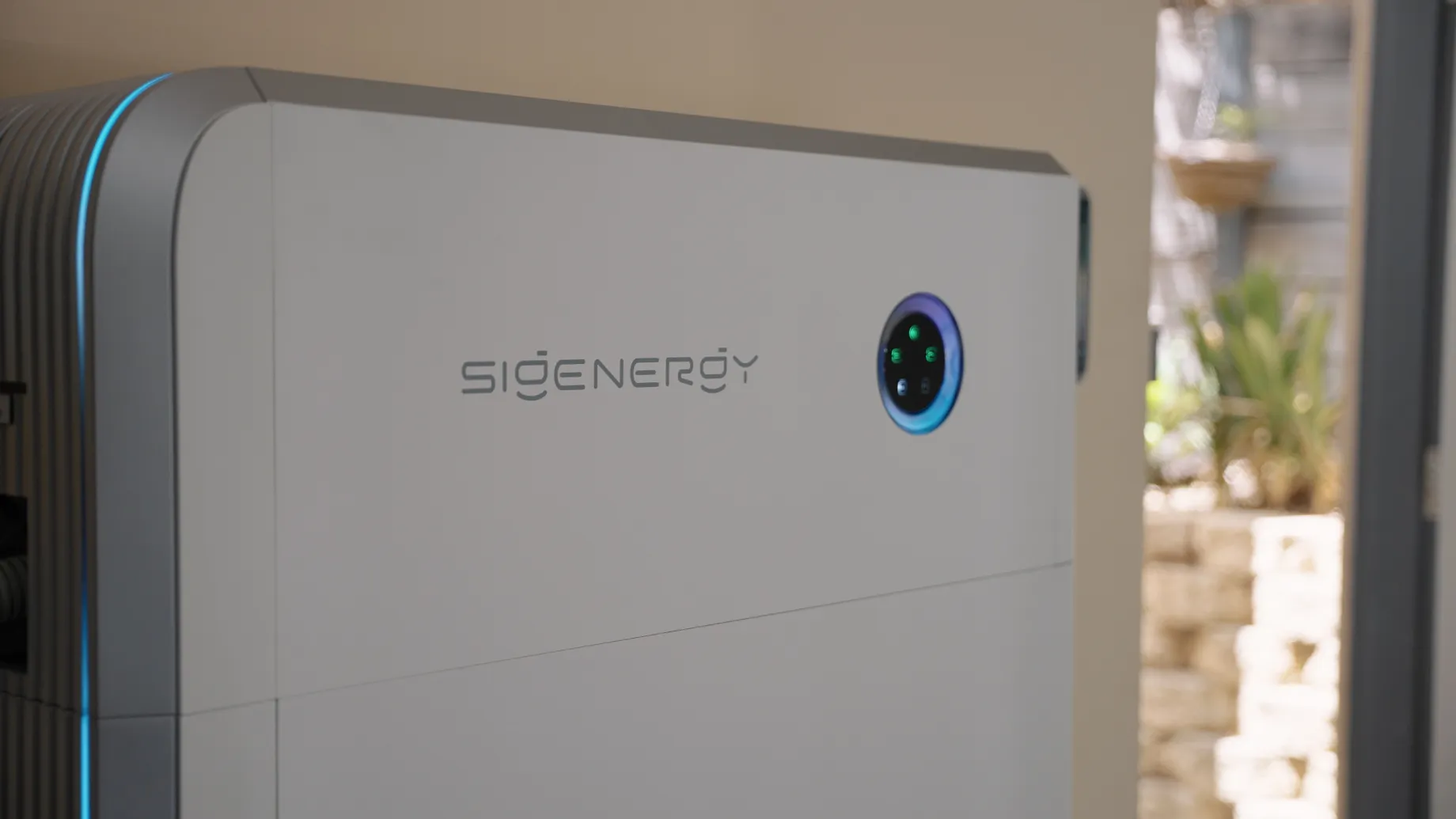
Most modern lithium home batteries carry a manufacturer warranty of around 10 years, and a well-installed, sensibly sized battery often keeps working past that point with reduced capacity. So how long do solar batteries last in a real Adelaide home? The honest answer depends on how hard the battery works each day, how hot it gets, and how well it was matched to your solar and your household.
We install and service solar battery systems across Adelaide, and the batteries that age well share a few things in common. This guide explains what actually wears a battery down, how warranties measure it, the signs a battery is fading, and the simple habits that stretch its working life.
How Long Does a Solar Battery Last in Practice?
A home battery rarely fails outright. It fades. Each year it holds a little less energy than it did when new, until it no longer covers your evening usage the way it once did.
Two numbers decide when that happens:
- Years in service: the calendar age of the battery, regardless of use.
- Energy cycled through it: the total amount of power the battery has stored and released over its life.
Manufacturers write both into their warranties, and the battery reaches the end of its warranty at whichever limit comes first. A battery that empties and refills every single day uses up its cycle allowance faster than one that only tops up overnight usage in summer.
The Australian Government's energy guide to home batteries makes the same point: lifespan and warranty depend on the battery type and the way you use it, not on the badge alone.
Cycle Life vs Calendar Life: Two Clocks Running at Once
Every battery ages on two clocks at the same time. Understanding both explains why two identical batteries in two different homes can end up in very different conditions after the same number of years.
Battery Cycle Life
One full cycle means charging the battery from empty to full and drawing it back down again. Half a discharge one day and half the next adds up to roughly one cycle. A battery that cycles once a day clocks up about 365 cycles a year, and battery cycle life is the number of those the cells can handle before their capacity drops to the manufacturer’s stated floor.
Calendar Life
Lithium cells also age simply by existing. Chemical changes inside the cell continue whether or not the battery does much work, and heat speeds them up. A lightly used battery in a hot spot can lose capacity faster than a busy battery kept cool.
Depth of Discharge
Depth of discharge describes how far the battery empties before it recharges. Most home batteries now use lithium iron phosphate (LFP) chemistry, which tolerates deep cycling far better than older lead-acid banks. The battery management system still holds back a small reserve at the top and bottom of the charge so the cells never run completely flat, and that buffer is a big part of why LFP lithium battery lifespan compares so well with older storage.
What Shortens Solar Battery Lifespan in Adelaide?
Heat, poor placement and the wrong size do most of the damage. All three come down to decisions made on installation day.
Heat and Installation Location
Adelaide regularly sees runs of 40°C days through summer, and a battery bolted to a west-facing wall in full afternoon sun sits well above the air temperature. Most batteries protect themselves by reducing charge and discharge power when they get too hot, so you lose performance on the very days you want it most.
A shaded wall, a carport or a garage with airflow keeps the battery inside its comfortable operating range. Australian installations also have to meet the battery installation standard AS/NZS 5139, which sets clearances and locations for safety, so the best spot is the one that satisfies the standard and stays out of the western sun.
Sizing That Works the Battery Too Hard
An undersized battery empties every evening and cycles fully every day of the year. An oversized battery barely fills on a winter day and spends long periods sitting at a low charge. Both paths wear the battery faster than it needs to wear. Our guide to what size solar battery an Adelaide home needs walks through matching capacity to your solar array and your evening load.
Extra Cycling From Virtual Power Plants
Many South Australian batteries sit in a virtual power plant (VPP), where a retailer draws on stored energy during grid peaks. A VPP adds cycles on top of your household use, so check how the program counts against your warranty throughput before you sign up.
Worried Your Battery Runs Hot?
We can check your battery’s location, settings and sizing and tell you whether anything is shortening its life.
How Do Solar Battery Warranties Work?
A solar battery warranty usually sets three limits, and the battery is covered until it reaches the first of them:
- A number of years from installation.
- A throughput limit: the total energy, usually in megawatt-hours, the battery can deliver under warranty.
- A retained capacity: the minimum share of its original capacity the battery should still hold at the end of the warranty term.
The exact figures differ by brand and model, and manufacturers update them, so always read the current terms for your specific battery. Tesla, Sigenergy, Sungrow and BYD all publish warranty documents for their home batteries. Our comparison of the best solar batteries for Adelaide homes sets out how the main brands differ.
Warranties also come with conditions. Most require installation by an accredited installer, a working internet connection so the manufacturer can monitor the battery, and an install location within the specified temperature range. A battery that sits offline for months can make a warranty claim harder to prove. Separate from the product warranty, every battery we install comes with our lifetime warranty on workmanship.
Signs Your Solar Battery Is Degrading
Battery degradation shows up first in your app, then in your evenings. Watch for:
- The battery runs out earlier in the evening than it did a year ago, with similar household use.
- The app reports a lower usable capacity, or a lower state of health, than it used to.
- The state of charge drops in sudden steps rather than smoothly.
- The battery stops reaching full charge on clear, sunny days.
- Repeated error codes, or the battery cutting power output on warm afternoons.
One of these on its own can have a simple cause, such as a settings change after a firmware update or a dirty solar array producing less power. Several together are worth a proper check before you assume the battery has worn out.
Solar Battery Maintenance That Extends Its Life
Lithium home batteries are sealed units, so solar battery maintenance is mostly about monitoring and environment rather than hands-on work. These habits make the biggest difference:
- Keep it online. A connected battery receives firmware updates and lets the manufacturer log its health for warranty purposes. If your Sungrow system drops off the network, our guide to reconnecting a Sungrow inverter to WiFi shows how to get it back.
- Check the app monthly. A quick look at daily charge, discharge and state of health picks up a fading battery early.
- Keep vents and clearances clear. Stored boxes, bikes or garden growth around the unit trap heat.
- Book a periodic inspection. A licensed electrician can check connections, isolators and settings alongside your panels. Our solar repair and maintenance service covers batteries as well as arrays, with discounts for scheduled maintenance.
Good habits cannot undo a poor installation. If the battery sits in full sun or was undersized from the start, fixing the cause protects the remaining years better than any amount of monitoring.
What Happens When a Battery Reaches the End of Its Life?
A battery past its warranty usually keeps working, just with less storage. Many households run an older battery for years before it becomes worth replacing. When it no longer covers enough of your evening usage, the options are a like-for-like replacement or a larger, newer battery matched to how your home uses power now, especially if you have since added an EV or more appliances.
If you still have solar without storage, our article on adding a battery to existing solar explains what to check first. For systems well off the grid, battery health matters even more, which is why we design our off-grid solar systems with storage sized for the long haul.
Get Years More From Your Solar Battery
Certified solar electricians and energy specialists across Adelaide, the Adelaide Hills and the Fleurieu Peninsula.