A three phase power upgrade in Adelaide is worth considering when the electrical load on a property has outgrown what a single-phase supply can carry – typically once solar, a battery, a fast EV charger, ducted air conditioning or workshop machinery start competing for the same 63 to 100 amp service. Most Adelaide homes run perfectly well on single phase. The question only becomes urgent when equipment either will not start, will not run at full output, or cannot be installed at all until the supply changes.
This guide explains the difference between the two supply types, the signs a property has reached its limit, how the upgrade actually happens, and what drives the cost. It is written for homeowners and business owners in Adelaide’s eastern suburbs, the Hills and the south, where NG Elec works daily on switchboards, solar and charging installations.
Single Phase vs Three Phase: What Actually Changes
Single phase delivers power through one active conductor and one neutral. Three phase delivers it through three actives, each peaking at a different point in the cycle, so power arrives in an overlapping sequence rather than a single pulse.
More Usable Capacity at the Same Voltage
The practical outcome is headroom. A three-phase service splits the property’s load across three separate circuits’ worth of supply instead of stacking everything onto one, so a 25 amp appliance no longer eats a third of the available service on its own. That matters most at the moments when several large loads run together – a summer afternoon with the ducted system at full tilt and a car charging in the garage.
Smoother Running for Motors and Inverters
Three-phase motors start and run with less inrush and less vibration than their single-phase equivalents, which is why commercial refrigeration, compressors, lifts, pumps and larger machinery are usually built three phase only. The same logic applies to solar: a three-phase inverter spreads export evenly across all three phases instead of pushing it all down one, which keeps voltage rise in check on long suburban feeders.
Understanding single phase vs three phase is the easy part. Working out whether a specific property needs the change is where an on-site load assessment earns its keep.
Do I Need Three-Phase Power? Six Signs to Look For
Most properties give clear warnings before capacity becomes a genuine problem. Any of these is a reason to have the supply and switchboard assessed:
- An installer has quoted for solar, a battery or an EV charger and flagged the supply as a limitation – this is the most common trigger by a distance.
- Ducted or multi-head air conditioning is planned, and the outdoor unit’s rated current is a large fraction of the existing service.
- The main switch keeps tripping when several heavy appliances run at once, even though no individual circuit is faulty.
- Lights dim or flicker briefly each time the air conditioner or pool pump kicks in, pointing to voltage drop under start-up load.
- Equipment on the shortlist is three phase only – commercial ovens, larger compressors, three-phase welders, lifts and some workshop machinery have no single-phase version.
- A commercial tenancy is changing use or adding equipment, and the existing supply was sized for a previous fit-out.
A flickering-lights complaint does not automatically mean the supply is undersized. It can equally point to loose terminations or a tired board, which is why NG Elec checks the switchboard and the connection quality before recommending anything to the network. The warning signs a switchboard needs upgrading overlap heavily with the symptoms above, and the cheaper fix is often the right one.
Which Adelaide Properties Are Most Likely to Need an Upgrade
Two very different groups account for most three-phase enquiries, and their reasoning is not the same.
Homes Electrifying All at Once
Character homes through Unley, Burnside and Mitcham were wired for a modest 1960s or 1970s load. Adding rooftop solar, a battery, a heat pump and a 7kW wall charger to that original service in the space of two years is a fourfold increase in peak demand on infrastructure that never anticipated it. Households planning several of those upgrades in sequence save money by assessing the supply once, at the start, rather than re-quoting at each step.
Businesses Whose Equipment Changed Before Their Supply Did
Workshops, cafes, clinics and light-industrial tenancies routinely inherit a supply sized for the last occupant. A single new three-phase compressor or oven can make an otherwise straightforward fit-out impossible until the service changes. NG Elec handles this as part of its commercial electrical work, and sequences it around trading hours where the site allows.
How a Three-Phase Power Installation Works
A three phase power installation has two halves: the work on the property, and the work on the network side. Both have to line up, and the network side sets the timeline.
- Step 1: Load assessment. A licensed electrician calculates maximum demand from the actual appliance schedule – existing loads plus everything planned – and confirms whether three phase is genuinely required or whether a switchboard upgrade alone solves it.
- Step 2: Network application. An upgrade to the supply is applied for through SA Power Networks, which decides whether three phase is already available at the street and what connection work is needed. Street availability, not the property, is usually the deciding factor.
- Step 3: Switchboard replacement. Three phase needs a board built for it – three-pole main switch, correctly distributed circuits and RCD protection to current standards. Most single-phase boards cannot be adapted.
- Step 4: Mains and metering. The consumer mains between the point of attachment and the board are replaced with correctly sized three-phase cable, and the meter is changed by the metering provider.
- Step 5: Circuit distribution and testing. Loads are balanced across the three phases so no single phase carries the bulk of the demand, then the installation is tested, certified and documented.
Timing is dominated by the two steps NG Elec does not control – the network response and the meter change. Current connection requirements and application forms are published by SA Power Networks, and an electrician should lodge the application rather than leaving it to the property owner.
What Drives the Cost of a Three-Phase Power Upgrade
There is no single figure, because two houses on the same street can differ by thousands depending on what sits between the pole and the switchboard. The variables that move the number most:
- Whether three phase is already available at the street, or the network has to extend it.
- Overhead versus underground supply – underground mains replacement involves trenching and reinstatement.
- The distance from the point of attachment to the switchboard, which sets the length and size of new mains.
- The condition of the existing board and whether asbestos backing or ceramic fuses are present.
- The number of circuits to be redistributed, and any rewiring needed to balance the phases.
- Metering provider charges, which sit outside the electrician’s scope.
NG Elec quotes the property-side work after an on-site assessment, and sets out the network and metering charges separately so the two are never confused. Quotes are free and every cost is confirmed before work starts.
Is Three Phase Always the Right Answer?
No – and a good assessment often ends with a cheaper recommendation. Several situations look like a capacity problem but are not.
A Switchboard Upgrade May Be Enough
If the supply has headroom but the board is the bottleneck – overloaded, fused rather than breakered, or without RCD protection on all circuits – a switchboard upgrade resolves it at a fraction of the cost and keeps the single-phase service in place.
Load Management Can Replace Capacity
Smart charging and load-control devices throttle or stagger large loads so they never coincide. A home EV charger set to charge overnight, or a device such as Catch Power diverting surplus solar to hot water, can remove the peak that made three phase look necessary. Pairing that with a solar battery system shifts even more of the load away from the grid connection entirely.
Single-Phase Equivalents Often Exist
Single-phase inverters, chargers and split systems now cover most residential requirements. Specifying equipment to the existing supply is frequently smarter than rebuilding the supply to suit a preferred model.
Talk to NG Elec Before Committing to an Upgrade
Anyone weighing up a three phase power upgrade in Adelaide should start with a proper load assessment, not a guess – it is the only way to know whether the supply, the switchboard or the equipment choice is the real constraint. NG Elec’s certified solar electricians and energy specialists assess the whole picture, lodge the network application, replace the board and balance the circuits as one end-to-end, hassle-free solution, backed by a lifetime warranty on workmanship. Quotes are free, and every cost is confirmed before a tool comes out of the van.
Frequently Asked Questions
How do I know if my house already has three-phase power?
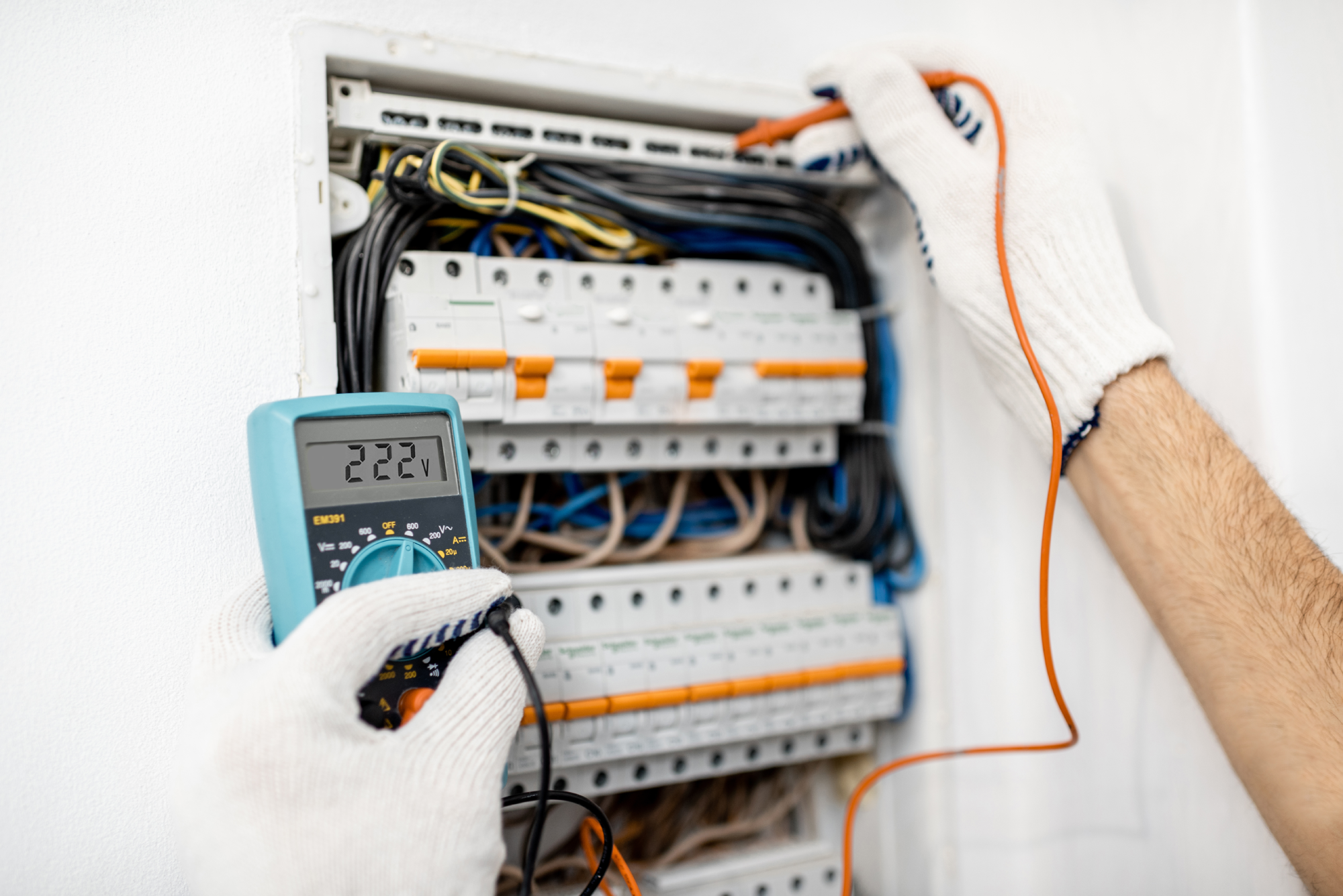
Look at the main switch in the switchboard – a three-phase service has a wide three-pole main switch and three active conductors entering the board, and the meter will usually show three phase voltages. An electrician can confirm it in minutes during any service visit.
How much does a three-phase power upgrade cost in Adelaide?
Cost depends on street availability, mains length, supply type and switchboard condition, so there is no standard figure. Contact NG Elec directly for an accurate quote – all pricing is confirmed before any work begins, with no obligation to proceed.
Do I need three-phase power for an EV charger?
Not usually. Most home chargers up to 7kW run on single phase, and three phase only becomes relevant for faster 11kW or 22kW charging, or when the existing supply is already near its limit. The charger specification and the load assessment decide it together.
Does three-phase power mean cheaper electricity bills?
No. Three phase changes how much power a property can draw at once, not the rate charged per kilowatt hour. Savings come from what the extra capacity allows – solar, a battery or a heat pump – rather than from the supply type itself.
Can three-phase power be installed anywhere in Adelaide?
Only where the network can supply it. If three phase is not already running down the street, SA Power Networks has to extend it, which affects both cost and timeline. The application confirms availability before any on-site work is committed.
How long does a three-phase power installation take?
The on-site work – switchboard, mains and testing – is usually one to two days. The overall timeline is set by the network application and the meter change, which are handled by SA Power Networks and the metering provider, so allow several weeks from application to energisation.