Hail damage solar panels can show up two ways: a shattered glass face you can see from the street, or hairline cracks you can’t see at all that only reveal themselves as a slow drop in output months later. Either way, most home building policies treat a roof-mounted solar system as part of the house, so storm and hail damage is often claimable, subject to your policy wording and excess.
This guide explains how a claim works for South Australian homes and businesses, from making the system safe to the damage report and repairs.
Can Hail Damage Solar Panels?
Yes. Panels are built to survive hail, but not unlimited hail. Most panels sold in Australia are certified to the international standard IEC 61215, which includes firing 25 mm ice balls at the glass at around 23 metres per second.
Severe South Australian storms can drop stones well above that size, and wind-driven hail hits harder than the test. Older panels give way sooner.
What Solar Panel Hail Damage Looks Like
- Cracked or shattered glass, often a spider-web pattern across tempered glass
- Micro-cracks inside the cells that you can’t see from the ground
- Bent frames, damaged racking or broken tiles around the array
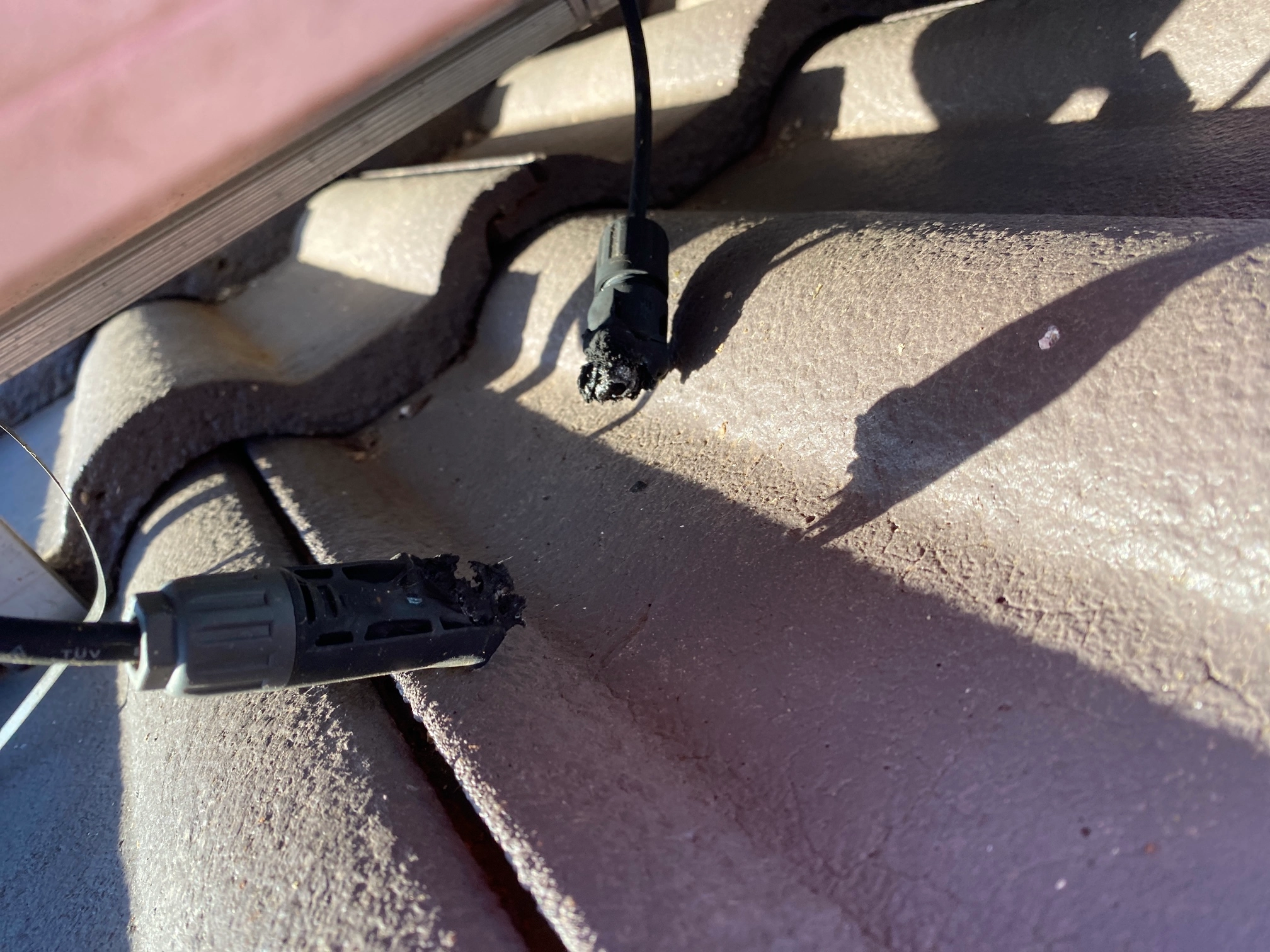
- Water inside DC isolators, junction boxes or the inverter
- An inverter showing an isolation or earth fault after the storm
A cracked solar panel is a safety issue, not just a performance one, because broken glass lets moisture reach live DC wiring.
What Should You Do Straight After a Storm?
Make the system safe, record the solar panel storm damage, then lodge the claim, in that order.
- Stay off the roof. Damaged panels still produce DC voltage whenever light hits them, and there’s no switch on the panel itself.
- If it’s dry and safe to reach, shut the system down using the shutdown procedure displayed near your inverter or switchboard. If there’s water around the inverter, a burning smell or scorch marks, keep clear and call a solar electrician.
- Photograph everything from the ground: the panels, broken tiles, debris and the inverter screen showing any error codes. Note the date and time of the storm.
- Screenshot your monitoring app showing output before and after the storm. A sudden drop is useful evidence.
- Lodge the claim and ask the insurer whether they’ll send an assessor or want a report from a solar electrician.
Most policies require prompt notice and reasonable steps to stop further damage, so lodging early keeps a claim on track.
Need a report for your insurer?
We inspect and test the full system, then document the damage with photos and test results in a detailed report for your insurer.
Are Solar Panels Covered by Home Insurance?
Usually, yes, under building insurance, because panels fixed to the roof are generally treated as part of the structure. The details vary between insurers and policies, so read your Product Disclosure Statement (PDS) before assuming anything.
Check these points:
- Whether solar is covered as part of the building or needs to be listed separately
- Which events count, such as storm, hail, lightning and power surge
- Your excess, and whether a separate excess applies to storm claims
- Whether your sum insured is high enough to cover a full system replacement
Your manufacturer warranty won’t help here, because product warranties cover defects, not weather events. Businesses claim under their commercial property policy, and the process below applies to commercial solar systems in the same way.
How Does a Solar Insurance Claim in South Australia Work?
Most insurers follow the same path: lodge, assess, report, approve, repair. Knowing what happens at each step makes a solar insurance claim in South Australia far less stressful.
1. Lodgement
You lodge by phone or online and receive a claim number to quote on every photo, email and invoice.
2. Assessment
The insurer either sends its own assessor or builder, or asks you to arrange a report from an accredited solar electrician. A roof or building assessor can see broken glass, but testing the electrical side of a solar system needs a licensed electrician.
3. The Damage Report
The claim turns on this document. A thorough report covers:
- System details: panel and inverter make and model, system size and approximate install date
- Photos of all damage, including close-ups and wide shots of the array
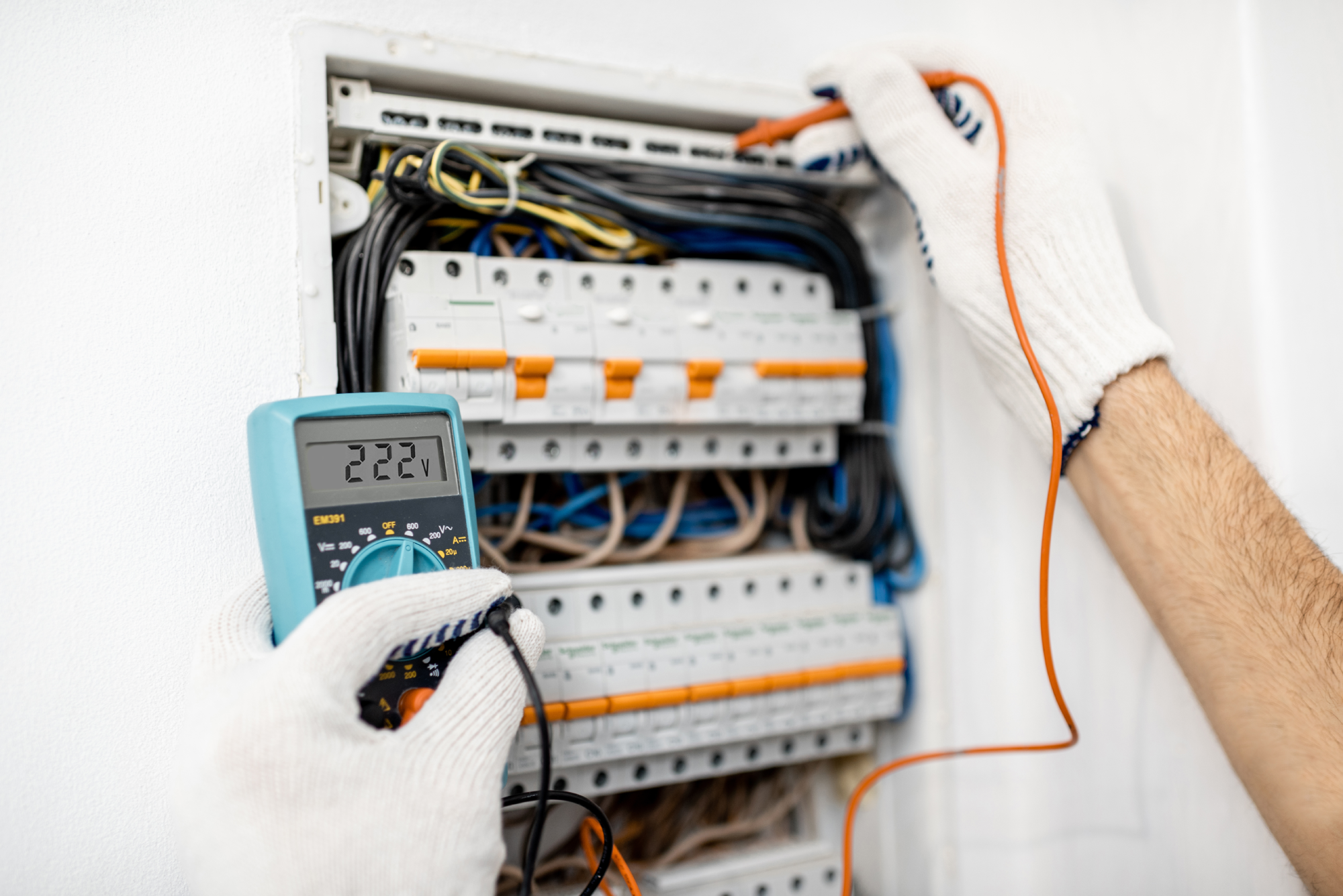
- Electrical test results, such as insulation resistance, string voltage and current, and inverter fault logs
- The likely cause, and whether the damage is consistent with the storm rather than wear or a pre-existing fault
- A recommended scope: repair, partial replacement or full replacement, and why
4. Quote and Approval
The insurer reviews the report and quote, then approves the scope or sends its own assessor for a second look.
5. Repair, Recommissioning and Compliance
Once approved, the work goes ahead. The system is tested and recommissioned, and you receive an electrical certificate of compliance for the work, which the insurer usually wants to close the claim.
Repair or Replacement: How the Decision Gets Made
Not every claim replaces only the broken panels. Several technical factors shape the scope.
Matching Panels Are Often Discontinued
An exact match for a five or ten-year-old panel is often no longer made. Mixing panels with different electrical characteristics on the same string can drag down the output of the whole string. Where a match isn’t possible, replacing a full string or the whole array can be the compliant fix, and the report should explain why.
Replacement Inverters Must Meet Current Rules
A new inverter has to meet the current Australian Standard, AS/NZS 4777.2, along with SA Power Networks connection requirements. Both have changed since many older Adelaide systems went in, so a like-for-like inverter swap isn’t always possible.
Batteries Need Their Own Check
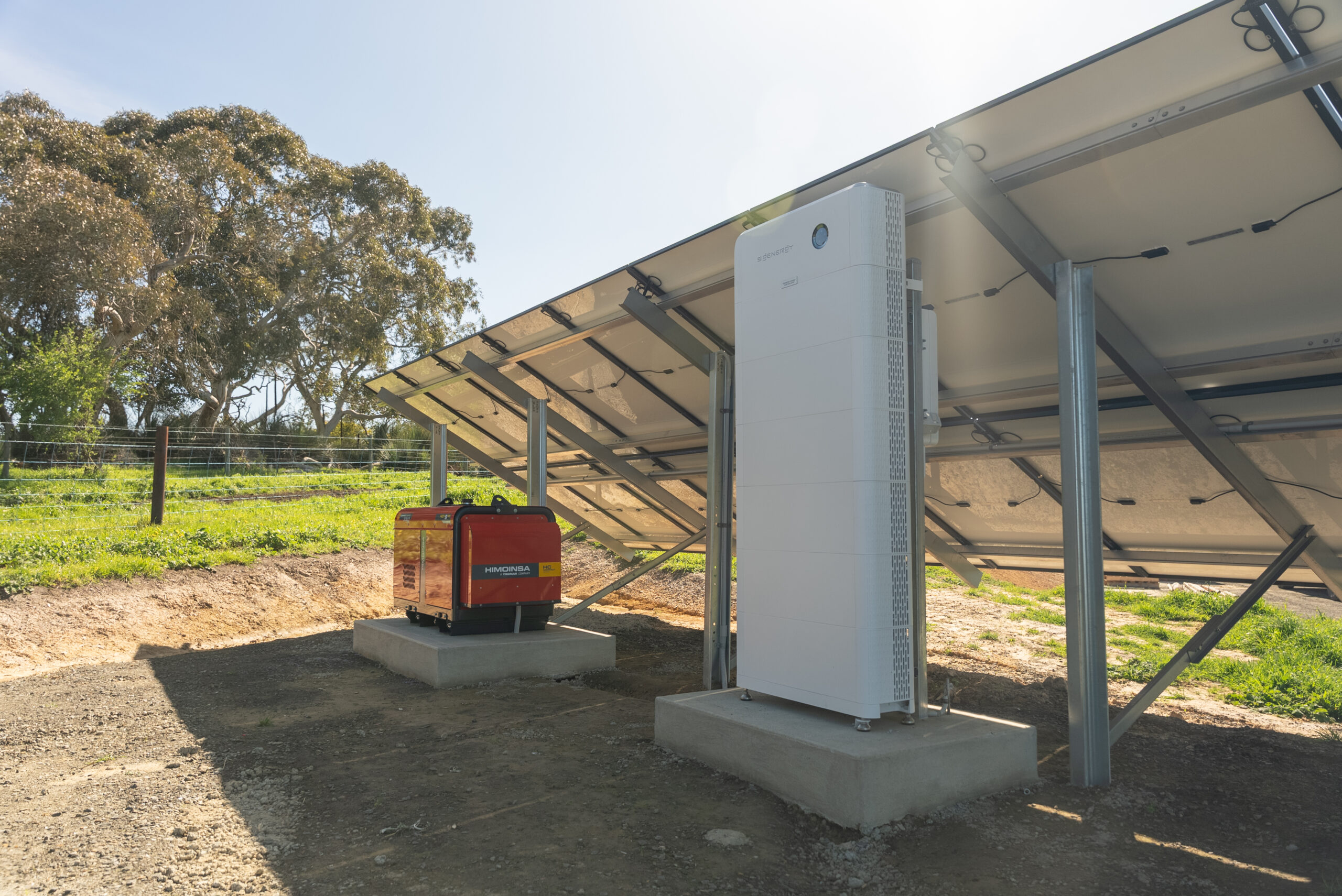
If water or debris has reached a battery, it needs inspecting against AS/NZS 5139, the standard for battery installations. Our solar battery systems page explains how we install and service batteries.
Roof Repairs Come First
Broken tiles under the array mean panels come off, the roofer repairs the roof, then the panels go back on. Coordinating both trades avoids a second visit.
What NG Elec Does During a Claim
We handle the solar side of the claim from first inspection to final compliance paperwork, including systems installed by other companies.
- Inspect and test the full system, from the panels and racking to the isolators, inverter and battery
- Document the damage with photos and test results in a detailed report for your insurer
- Set out a clear scope, explaining whether repair or replacement is the right fix and why
- Work with your insurer’s assessor and roofer
- Supply and install replacement components from brands we work with, including Jinko, Trina, AIKO, Sungrow, Fronius, Tesla and BYD
- Recommission the system, confirm it’s generating properly and provide compliance documentation
Our team holds Solar Accreditation Australia (SAA) accreditation and Master Electricians accreditation, and every repair is backed by our lifetime workmanship warranty. You can read more about our solar insurance repair and replacement service, which covers homes and businesses across Adelaide and the areas we serve.
Should You Check Your System if Nothing Looks Broken?
Yes. Micro-cracks rarely show from the ground, and they can take weeks to turn into hot spots and lower output.
- Compare your monitoring app output against a similar sunny day before the storm
- Check the inverter for new error codes or warning lights
Storm dust and debris can also lower output without any damage at all, and a professional panel clean rules that out quickly. If output stays down, book a solar repair and maintenance inspection while the storm date is still fresh for your insurer. For routine checks, see when to schedule solar panel maintenance.
Storm Damage to Your Solar System?
Our accredited solar electricians inspect, test and report on storm-damaged systems across Adelaide, the Adelaide Hills and the Fleurieu Peninsula.