If your safety switch keeps tripping, it is almost always reacting to a real fault: a faulty appliance, moisture in an outdoor fitting, damaged wiring or, less often, a worn-out safety switch. The switch itself is doing its job by cutting power before that fault can hurt someone.
The good news is that a few safe checks will often point to the cause. This guide explains what makes a safety switch trip, what the timing of each trip tells you, the checks you can do without touching any wiring, and when it is time to book a licensed electrician.
Why Does My Safety Switch Keep Tripping?
A safety switch trips when it detects electricity leaking out of a circuit to earth. That leak might run through a damaged appliance, a wet connection or, in the worst case, a person.
Inside the switch, a sensor compares the current flowing out on the active wire with the current returning on the neutral. If the two differ by more than a tiny amount, usually 30 milliamps on household circuits, the switch cuts power within a fraction of a second. That speed is what makes it a life-saving device.
A safety switch, also called a residual current device (RCD), is a different device from a circuit breaker. A breaker protects the wiring from overload, while a safety switch protects people from electric shock. Our guide to switchboard warning signs covers the difference in more detail.
In South Australia, safety switches must protect power and lighting circuits in new homes and wherever circuits are added or altered, according to the SA Government's safety switch guidance.
Common Causes of Safety Switch Tripping
Most cases of safety switch tripping trace back to one of five causes. Some are simple to find. Others need test equipment.
A Faulty Appliance
This is the most common cause. Kettles, toasters, washing machines, fridges and older power tools develop small insulation faults as they age, and the leak only shows up when you switch the appliance on or it starts running.
Heating elements are frequent offenders. Damp can creep into the element of a kettle, oven or hot water system, so the trip often happens on the first use of the day.
Moisture and Water Getting In
Water conducts electricity, so moisture in an outdoor power point, garden light, pool pump or shed circuit gives current a path to earth. Adelaide’s dry summers hide these faults, then the first heavy winter rain or a summer storm brings them all back.
Cracked weatherproof covers, garden lights with perished seals and extension leads left on wet lawns are the usual suspects.
Too Much on One Safety Switch
Every appliance leaks a small, normal amount of current to earth. On its own, that amount is harmless. Where a single safety switch protects most of the house, those small amounts add up, and a 30mA switch can legitimately trip at around half its rating.
The result looks random: no single appliance is faulty, yet the switch drops out when the house is busy. Older Adelaide homes that had one safety switch added years ago, covering every power circuit, often show this pattern.
An overloaded circuit is a related but different problem. Overload trips a circuit breaker rather than a standalone safety switch. Many newer boards use combined devices (RCBOs) that do both jobs, so the same switch can drop out for either reason.
Damaged or Deteriorating Wiring
Wiring faults are less common but more serious. A screw driven through a cable during a renovation, rodents chewing cables in the roof space, or old rubber insulation breaking down can all create a leak that trips the switch.
If the switch trips immediately on reset with every appliance unplugged, fixed wiring or a hardwired appliance is the likely cause.
A Worn or Failing Safety Switch
Safety switches are mechanical devices, and they wear out. An older switch can become oversensitive and trip without a genuine fault, or it can stop responding to the test button altogether. A switch that does not trip when tested is more dangerous than one that trips too often.
Not Sure What's Causing It?
We can trace the fault, test your safety switches and tell you whether it needs a simple repair or a switchboard upgrade.
What the Timing of the Trip Tells You
When the trip happens is one of the best clues an electrician has. Make a note of the time and what was running before you reset it.
- Trips when one appliance switches on: that appliance is the likely culprit.
- Trips after rain or a storm: moisture in an outdoor power point, light fitting or cable.
- Trips in the middle of the night: a hot water system on an off-peak timer, a fridge or freezer defrost cycle, or a pool pump timer.
- Trips at busy times with no obvious culprit: accumulated leakage from too many appliances on one safety switch.
- Trips the moment you reset it, with everything unplugged: a wiring fault or a hardwired appliance such as an oven, cooktop or exhaust fan.
Note which safety switch tripped as well. Most switchboards label the circuits each one protects, and that narrows the search straight away.
Safe Checks You Can Do Before Calling an Electrician
A homeowner can safely do two things: unplug appliances and reset the switch. Anything beyond that, including opening power points, light fittings or the switchboard, is licensed electrical work.
- Switch off and unplug every appliance on the affected circuits.
- Reset the safety switch by pushing the lever firmly back to the on position.
- If it stays on, plug appliances back in and switch them on one at a time, waiting a minute or so between each.
- When the switch trips again, the last appliance you plugged in is the likely fault. Leave it unplugged and stop using it until you have it repaired or replaced.
- If the switch will not stay on even with everything unplugged, leave it off and call a licensed electrician.
This is the same process the SA Government recommends for nuisance tripping. Remember that hardwired appliances, including ovens, cooktops, hot water systems and exhaust fans, cannot be unplugged, so they will not show up in this test.
When Should You Call a Licensed Electrician?
Call an electrician once the simple checks run out, or straight away if anything about the fault looks unsafe. If your RCD keeps tripping and you cannot link it to one appliance, the fault is most likely in the fixed wiring, a hardwired appliance or the switch itself.
Book a licensed electrician when:
- The switch will not reset, or trips again within seconds.
- It trips repeatedly and you cannot tie it to a single appliance.
- You notice a burning smell, scorch marks, buzzing or heat at the switchboard or a power point.
- You feel a tingle from a tap, appliance or metal fitting.
- The safety switch does not trip when you press its test button.
Burning smells, scorch marks and tingles are not a wait-and-see situation. Leave the power off at the main switch, stop using the affected appliances and get the property checked. If you see smoke or flames, call 000.
How an Electrician Finds and Fixes the Fault
Finding an intermittent fault takes testing, not guesswork. A licensed electrician will isolate each circuit, measure insulation resistance on the wiring and hardwired appliances, and test the safety switch to confirm it trips at the right current and speed.
The fix depends on what the testing finds:
- Faulty appliance: repair or replace the appliance, with no electrical work needed.
- Moisture: reseal outdoor fittings or replace them with weatherproof versions.
- Damaged wiring: repair or replace the affected section, then retest it.
- Too much on one switch: split circuits across more safety switches, or fit individual RCBOs, so one small leak no longer blacks out half the house.
- Worn safety switch or old board: replace the switch or, where the board is dated, carry out a switchboard upgrade that brings every circuit up to current requirements.
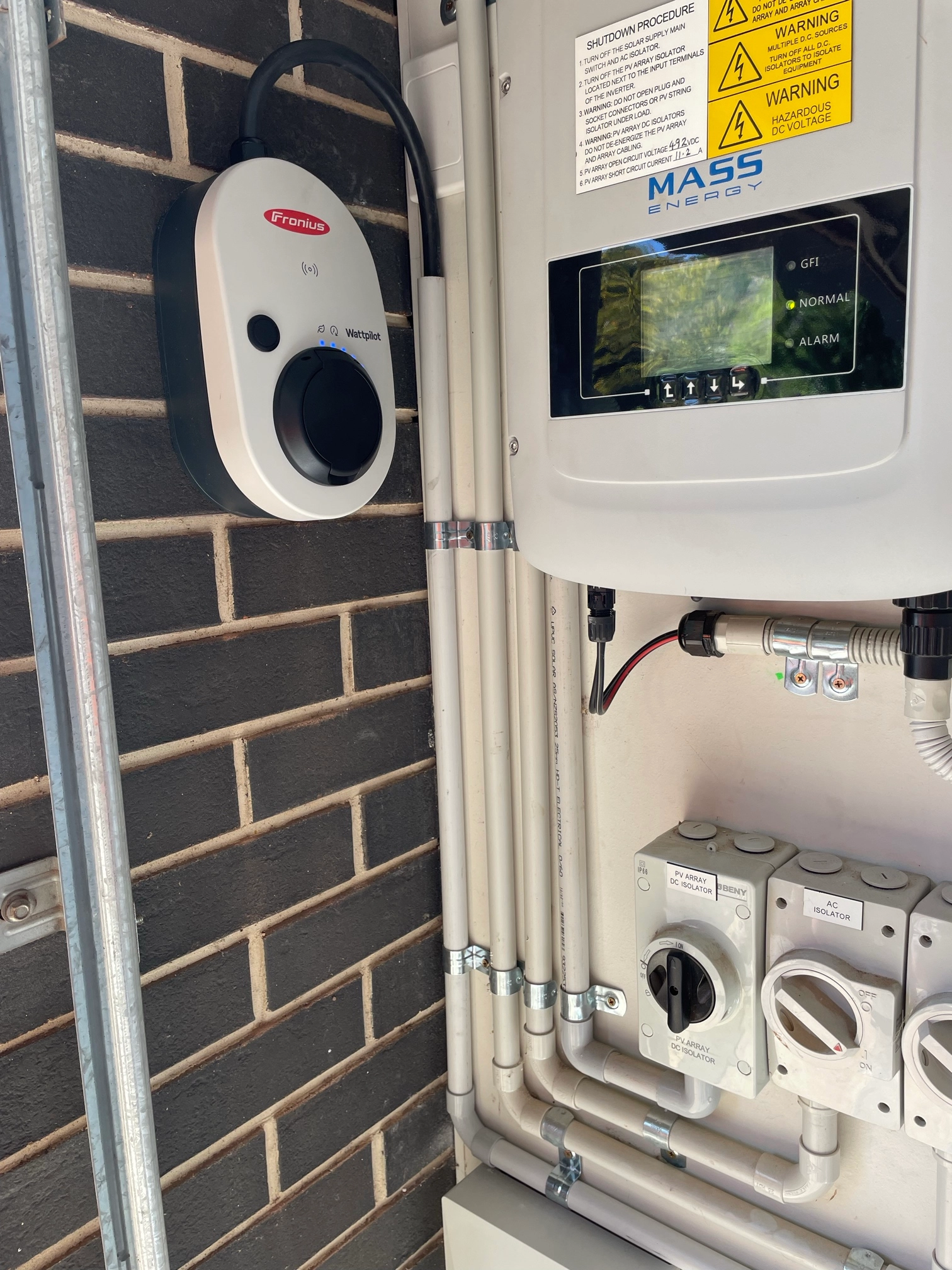
Planning to add an EV charger, a battery or a new circuit? Each new load is a good time to check the safety switch arrangement, because a board that already trips will not cope better with more connected to it. If the home is also due for hardwired smoke alarm installation, the same visit can cover both.
Our residential electrical services cover fault finding, safety switch replacement and switchboard work across Adelaide. For rental properties, our property maintenance electricians can test safety switches as part of routine upkeep, so we can fix a tenant’s tripping problem before it turns into a no-power call. Once the work is done, you should receive a certificate of compliance for it.
Get Your Safety Switch Checked
Licensed electricians across Adelaide, the Adelaide Hills and the Fleurieu Peninsula, Monday to Friday.