A solar feed-in tariff in SA is the credit your electricity retailer pays for each kilowatt-hour your panels send back to the grid. There is no government-set minimum, so every retailer chooses its own rate, its own caps and its own conditions. That makes the plan you sit on, and how much of your solar you use at home, just as important as the size of your system.
This guide explains how feed-in tariffs work in South Australia today, where to find current rates, and the practical steps that get more value out of every panel on your roof.
How Does the Solar Feed-In Tariff Work in SA?
Your inverter powers the house first, and only the surplus flows out through your meter to the grid. Your retailer then credits each exported kilowatt-hour on your bill at the feed-in rate in your plan.
That credit is always worth far less than the power you buy back at night. Every kilowatt-hour you use yourself saves you the full retail usage rate, while every kilowatt-hour you export earns only the feed-in rate. That gap drives almost every decision in the rest of this guide.
Three things decide what you actually receive:
- Your retailer and plan: rates vary widely from one plan to the next, even with the same retailer.
- Your meter type: a smart (interval) meter allows time-based feed-in rates and is needed for some offers.
- When SA Power Networks approved your system: older systems may still qualify for the original government scheme, covered below.
Who Sets Feed-In Tariff Rates in South Australia?
Retailers do. South Australia’s regulator, the Essential Services Commission of South Australia (ESCOSA), stopped setting a minimum retailer feed-in tariff from 1 January 2017, and the SA Government's solar feed-in payments page confirms that retailers now set their own rates and policies.
That freedom means the solar feed-in tariff in South Australia comes in several shapes:
- Flat rate: one rate for every kilowatt-hour you export.
- Capped or tiered rate: a higher rate on the first few kilowatt-hours exported each day, then a lower rate after that.
- Time-varying rate: a higher credit for exports in the evening peak, often aimed at homes with a battery, and less at midday.
- Conditional rate: a better rate tied to a sales channel, an inverter size limit, a bundled product or a virtual power plant.
We don’t quote rates here because they change. For current figures, compare plans on the federal government’s Energy Made Easy site, which lists every retailer’s published feed-in rate for your postcode.
What About the Original Government Scheme?
Systems connected under the SA Government’s distributor feed-in scheme before 30 September 2011 may still receive that payment on top of a retailer rate. According to the SA Government, it continues until 30 June 2028 only if the system is not upgraded or altered. If you’re on that scheme, check your eligibility before adding panels or replacing an inverter. The change can end the payment early.
What Changed for SA Solar Exports Recently?
Two changes reshaped the numbers for Adelaide solar owners, and both reward using power at home rather than exporting it at midday.
The SA Power Networks Export Tariff
From 1 July 2025, SA Power Networks began charging retailers a small solar export tariff on exports above a free daily allowance between 10am and 4pm, when the network is busiest with rooftop solar. Exports outside that window carry no charge. Whether you see it on your bill depends on whether your retailer passes it on. The details, including the free allowance for your meter type, are on SA Power Networks’ Export Tariff page.
The Solar Sharer Offer
Since 1 July 2026, larger retailers must offer the Solar Sharer Offer to South Australian households with a smart meter. It includes three hours of free grid power each day, from 12pm to 3pm in SA, up to a daily cap, with supply charges still applying. It suits households that can shift heavy loads into that window. Solar owners should weigh it against their feed-in credit and evening usage rates before switching.
Exporting more than you use?
We can look at your system and your bills and show you whether a battery, EV charging or a change in when you use power could do more for your home.
How to Find the Best Solar Feed-In Tariff in SA
The best solar feed-in tariff in SA is the one on the plan that leaves you with the lowest total bill, which is not always the plan with the highest headline rate. A generous feed-in credit often sits alongside a higher usage rate or supply charge. For a household that imports more than it exports, that trade can cost money.
Before you switch, check these points on each plan:
- The usage rate and daily supply charge, not just the feed-in rate.
- Any cap on how many kilowatt-hours a day earn the higher rate.
- Whether the rate changes by time of day, and when the peak export window falls.
- Conditions such as inverter size limits, approved installers or a required battery.
- Exit fees and how often the retailer can review the rate.
Your last 12 months of bills give you the inputs. Total exports and total imports tell you which side of the plan matters more for your home.
How Can You Maximise Returns From Your Solar?
The biggest gains come from using more of your own solar, because a kilowatt-hour you keep is worth several kilowatt-hours you export. Plan choice adds to that, but it rarely beats self-consumption.
Shift Big Loads Into Daylight Hours
Run the dishwasher, washing machine, dryer and pool pump between late morning and mid-afternoon. A reverse-cycle air conditioner can pre-cool or pre-heat the house while the panels are producing. Each load moved into the solar window comes straight off your evening import bill.
Charge Your EV From the Roof
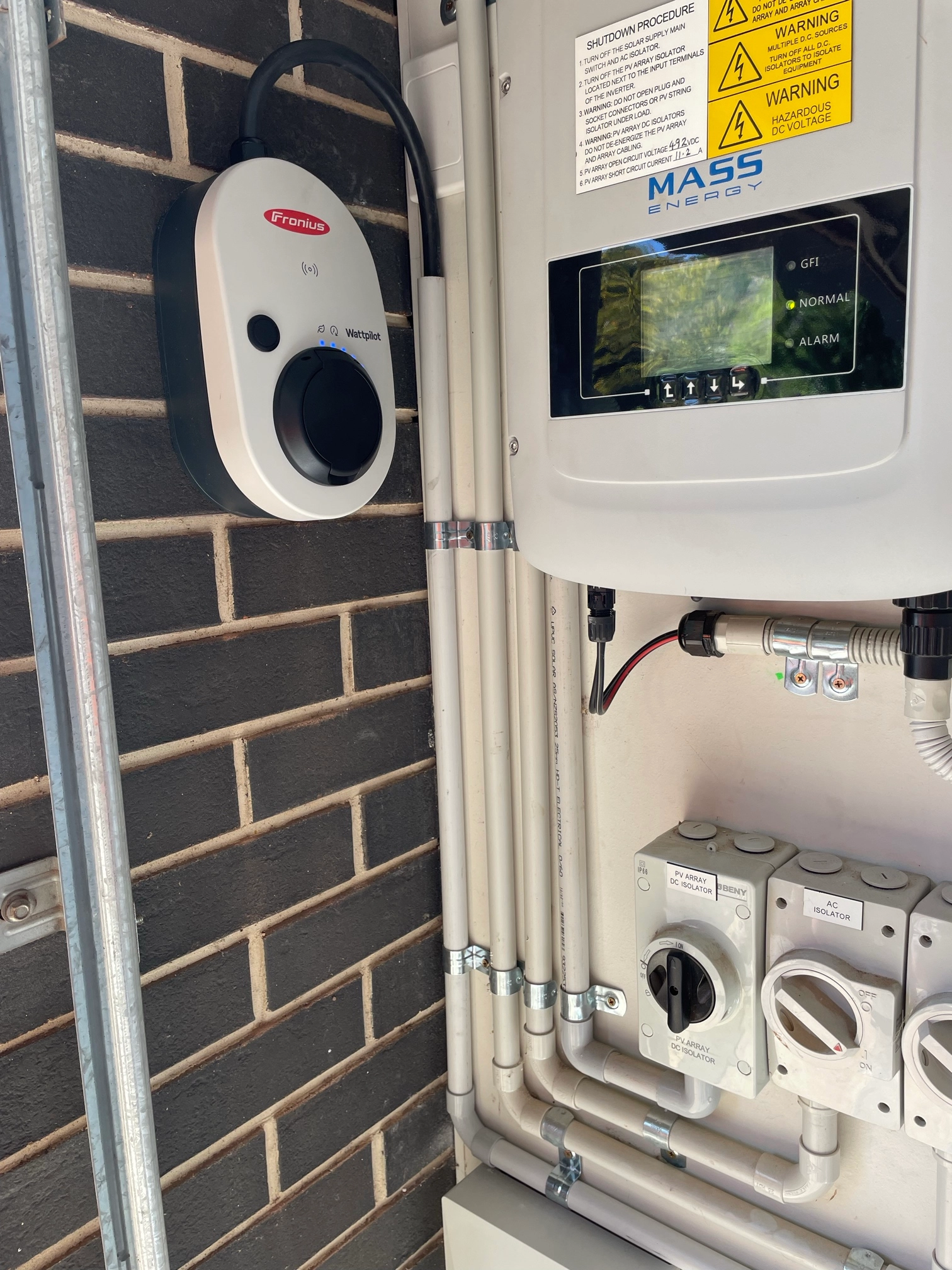
An electric vehicle is the largest flexible load most homes will ever add. A smart charger set to follow solar output can soak up surplus that would otherwise earn very little on export. Our EV charger installation team can set this up, and check whether your switchboard needs an upgrade first.
Store the Surplus in a Battery
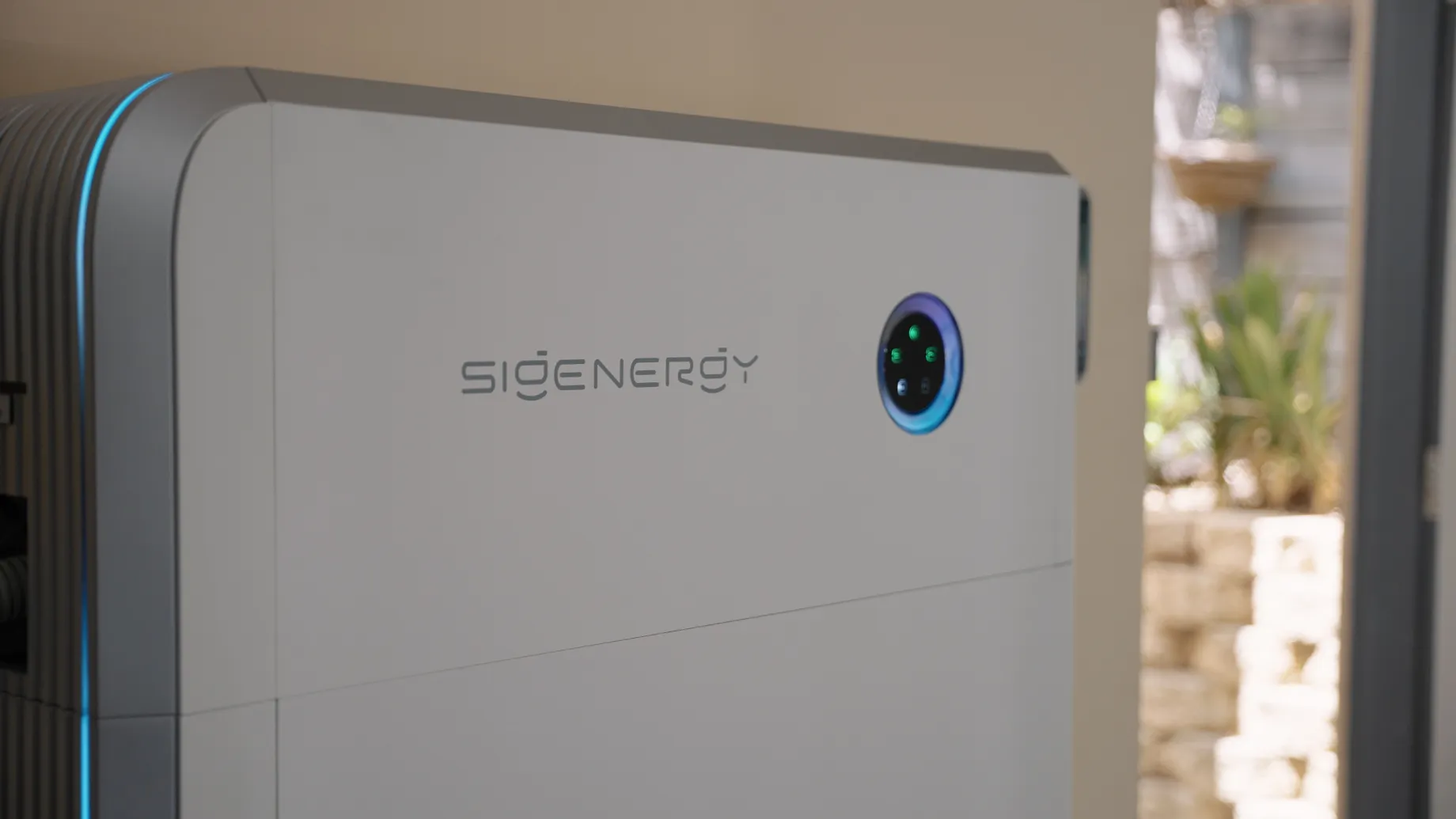
A battery holds midday surplus and releases it in the evening, when grid power costs the most. As feed-in rates have fallen, this has become the main way Adelaide homes recover the value of their exports. Our guide to solar battery payback in Adelaide shows how the feed-in rate fits into that sum, and solar battery systems covers the Sigenergy, Sungrow, Tesla and BYD systems we install. If you already have panels, see whether you can add a battery to your existing solar.
Use Flexible Exports on New or Upgraded Systems
SA Power Networks offers Flexible Exports for new and upgraded systems in most areas. It allows exports of up to 10kW per phase when the network has capacity, compared with a fixed limit of 1.5kW per phase. We set this up as part of the connection application for residential solar installations.
Keep the System Producing
A system can lose output for months before anyone notices on a bill. Dirty panels, a failing inverter or birds nesting under the array all cut production, and with it both your savings and your export credits. Regular solar panel maintenance and repairs and panel cleaning keep the numbers honest.
Is Exporting Solar Still Worth It in Adelaide?
Yes, but treat exports as a by-product rather than the goal. Any feed-in tariff in Adelaide still pays something for power you would not otherwise use, and a well-sized system will always export on mild, sunny days. The value now sits in the share of your solar you keep.
That changes how a new system should be designed. Panel count, orientation and battery size should follow your daytime and evening usage, not the largest array the roof will hold. We design every system from your actual bills and usage pattern, so the result suits how your household uses power.
Get More From Your Solar
Solar, battery and EV charger installation for homes across Adelaide, the Adelaide Hills and the Fleurieu Peninsula.